
Influenza FAQ
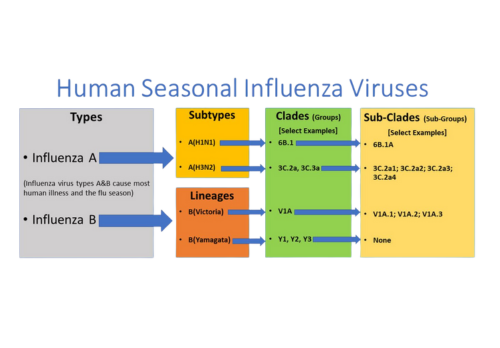
The World Health Organization (WHO) determines which virus strains should be included in the annual influenza vaccine through a massive, year-round global surveillance network that tracks circulating strains and predicts which ones will be most prevalent in the upcoming season. This process involves a collaboration of over 150 National Influenza Centres in more than 120 countries, which analyze thousands of samples to identify, isolate, and characterize emerging viruses.
Answers to some of the most frequently asked questions about influenza.
What causes influenza?
Influenza is caused by influenza viruses. Viruses are tiny microscopic organisms that spread through the air from the respiratory tract of an infected person when they talk, sneeze or cough. Viruses are easily spread between people through touch and/or respiratory droplets
Is it possible to get the flu from the vaccine?
No, flu vaccines cannot cause flu illness. Flu vaccines given with
a needle (flu shots) are made with inactivated (killed) viruses.
Because it takes about 2 weeks after getting a shot to develop
immunity, it is possible that a recently vaccinated person can be
exposed to influenza virus before they develop immunity and
consequently develop the disease. Influenza vaccine only
protects against certain influenza viruses, but not all viruses.
What are the symptoms of influenza?
Sudden onset of fever, aching muscles, sore throat, and non-productive cough. Additional symptoms could be runny nose, headache, burning sensation in the chest, eye pain and sensitivity to light. Older adults often do not experience fever.
What are possible complications of influenza?
The most frequent complications from influenza are viral and bacterial pneumonia. Other complications include inflammation of the heart, brain or muscles. Influenza can also worsen conditions such as asthma, congestive heart failure and diabetes.
What is the best way to prevent influenza
When is a person with influenza contagious?
A person may pass the virus from one day before symptoms start through 5 to 7 days after illness onset.
How often should the influenza vaccine be given?
Influenza vaccine is given each year because immunity decreases after a year and because influenza vaccine viruses are updated almost every year. An annual vaccination is recommended even if the strains change little from one year to the next.
How safe is the influenza vaccine?
Influenza vaccine is very safe. The most common side effects are soreness, redness or swelling at the injection site. Rarely, people develop aching joints, sore muscles and fever for 1 to 2 days following the vaccination.